Our technology · The patented KHU™ process

A different approach to upgrading heavy oil.

Specialized catalysts and a purpose-built reactor convert extra-heavy crude into lighter, more marketable streams. The upgraded product can serve as the blending component itself, reducing or even eliminating externally sourced diluent.

Process
KHU™ · Kalvera Heavy Upgrading
Patent
One patented process
Status
Proven at large industrial scale
Delivery
Modular, built in the USA
Fig. 1 — Heavy in. Lighter out.Concept
Extra-heavy feed passes through the KHU reactor's catalyst bed and leaves as a lighter product FEED EXTRA-HEAVY KHU PRODUCT LIGHTER STREAM CATALYST BED PROPRIETARY
Conceptual. Heavy molecules are broken into lighter fractions as the feed passes through the catalyst bed.
02Technical animationDetail B · Fig. 2 · 5 chapters

Follow a barrel through the process.

Five short chapters take extra-heavy crude from the field tank to a pipeline-spec blend. Play it straight through, or stop at the step you want to talk about.

Each chapter stands on its own, so the sequence can be cut into segments for individual pages and presentations.

Fig. 2 — KHU process train · technical animationDrag to rotate
Interactive. Five chapters: Feed, Heat, Convert, Separate, Blend & ship. Illustrative; proprietary details not shown.
  1. Ch. 01

    Feed

    Extra-heavy crude enters from the field.

  2. Ch. 02

    Heat

    A fired heater brings the feed up to process conditions.

  3. Ch. 03

    Convert

    The reactor and proprietary catalysts break heavy molecules into lighter fractions.

  4. Ch. 04

    Separate

    Reactor effluent is cooled in E-301 and separated in V-301: the upgraded liquid is recovered, and heavy residue is managed on site.

  5. Ch. 05

    Blend & ship

    The upgraded stream brings the blend within pipeline and market specifications.

03Process flow diagramDetail C · Fig. 3

The whole process on one sheet.

Fig. 3 — KHU process flow · simplifiedHover the schedule to locate equipment
KHU process flow diagram Extra-heavy crude flows from a feed tank through a feed pump and fired heater into the KHU reactor with its catalyst bed. Reactor effluent is cooled in an effluent cooler and goes to a separator: the upgraded stream goes to a blend tank and residue is managed on site. Some extra-heavy crude bypasses to the blend tank, and the pipeline-spec blend leaves to the pipeline. TK-101FEED TANK P-101 A/BFEED PUMPS H-201FIRED HEATER R-201KHU REACTOR E-301EFFL. COOLER V-301SEPARATOR TK-401BLEND TANK FIELD KHU PIPE FIC LI TI PI EXTRA-HEAVY CRUDE UPGRADED STREAM LIGHTER FRACTIONS PIPELINE-SPEC BLEND EXTRA-HEAVY CRUDE · BLEND COMPONENT RESIDUEMANAGED ON SITE CATALYST BED PROPRIETARY 1 2 3 4 5 6 7 8
  1. 1TK-101Feed tank
  2. 2P-101 A/BFeed pumps
  3. 3H-201Fired heater
  4. 4R-201KHU reactor
  5. 5E-301Effluent cooler
  6. 6V-301Separator
  7. 7TK-401Blend tank
  8. 8ExportTo pipeline
Illustrative. Proprietary engineering details, catalyst formulations and reactor design are not shown.
Drawing notes
  1. Feed suitability

    KHU is evaluated against the crude or residual stream in question. Suitability, conversion and product properties depend on feed characteristics and are confirmed by characterization and evaluation under NDA.

  2. What happens to the residue?

    Heavy residue is managed on site; the disposition is defined in the engineering study.

  3. Utilities

    Utility and hydrogen requirements depend on the application and are set out in the process design package.

04Reactor technology · ConceptualDetail D · Fig. 4 · Section A–A

Inside the reactor, in principle.

Fig. 4 — KHU reactor · cut-awayConceptual · NTS
Conceptual cut-away of the KHU reactor A vertical vessel shown in section. Heated feed enters at the top and is spread by a feed distributor, passes down through the catalyst bed, and upgraded product leaves through the outlet at the bottom. Reactor internals are proprietary and not shown. A B DETAIL X INTERNALS NOT SHOWN C HEATED FEED IN PRODUCT OUT FEEDDISTRIBUTOR CATALYSTBED PRODUCTOUTLET SHELL(SECTION) BEDSUPPORT SECTION A–A CONCEPTUAL · NTS
Conceptual representation only. Reactor internals, catalyst formulations and operating conditions are proprietary and not shown.

At the heart of the process is a purpose-built reactor, designed together with Kalvera’s specialized catalysts. This drawing shows the principle, not the design.
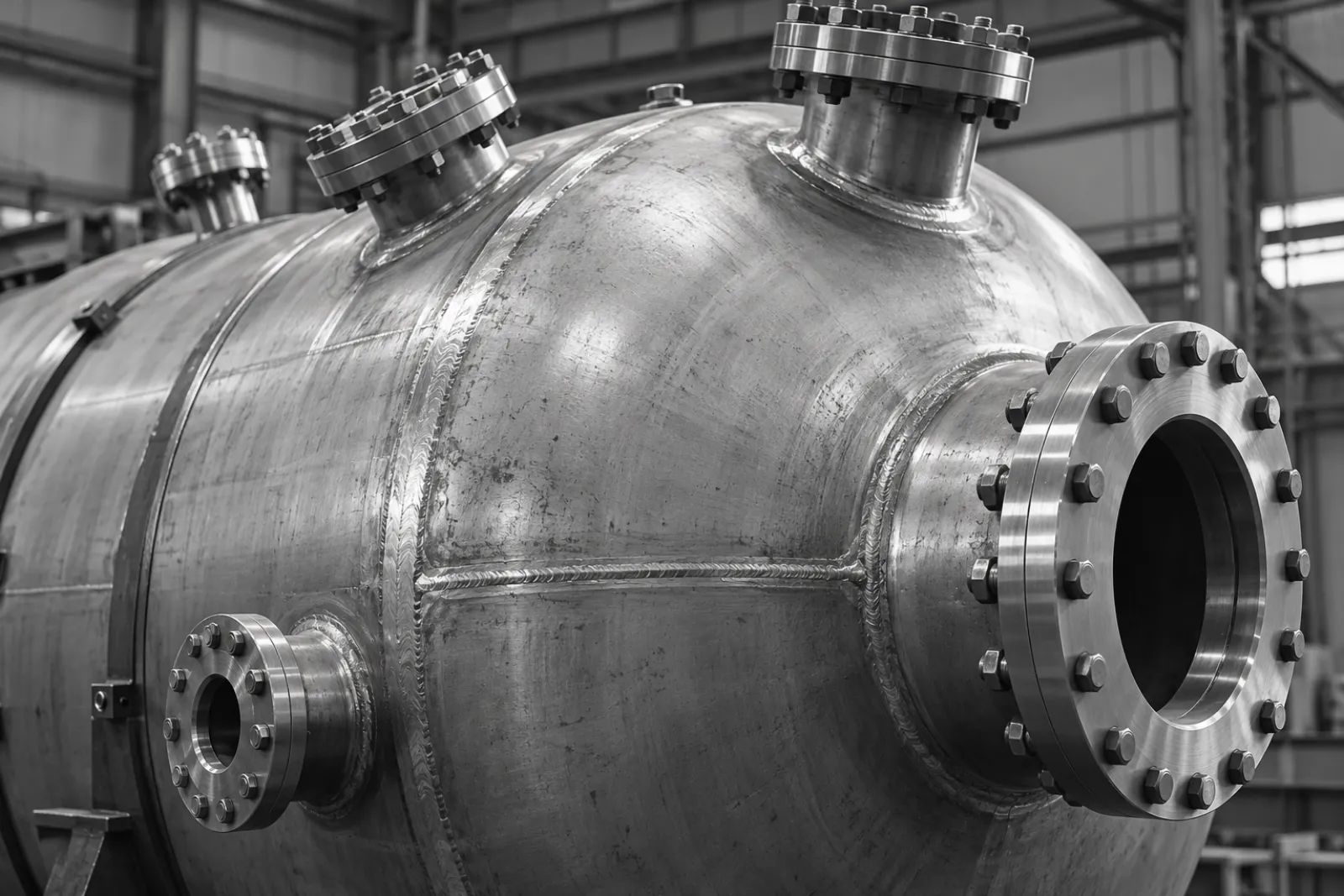
Photo 1 — Reactor vessel headRepresentative
Close-up of a steel pressure vessel in a fabrication shop, showing its domed head, bolted flanged nozzles and weld seams.
Representative pressure-vessel fabrication. The KHU reactor design itself is proprietary.

Internals proprietary · not shown

05Product propertiesDetail E · Fig. 5

What changes in the barrel.

Upgrading changes the physical properties that make extra-heavy crude hard to move and hard to sell. The direction of change is the point here, not the size of it.

How far each property moves depends on the crude and the application. We quantify it for your crude under NDA.

Fig. 5 — Heavy feed vs upgraded productIllustrative, depends on crude properties
  • E-1Viscosity▼ Lower moves more easily
    Very high
    Lower

    Heavy feed: very high viscosity. Upgraded product: lower.

  • E-2API gravity▲ Higher means lighter, less dense
    Low · dense
    Higher · lighter

    Heavy feed: low API gravity, dense. Upgraded product: higher API gravity, lighter.

  • E-3Flow at ambient▲ Better needs less help to move
    Barely flows
    Flows

    Heavy feed: barely flows at ambient temperature. Upgraded product: flows.

  • E-4Marketability▲ Closer to target specifications
    Discounted
    More marketable

    Heavy feed: discounted. Upgraded product: more marketable.

Illustrative, depends on crude properties. Bars show the direction of change only; no values are implied.
06CredentialsDetail F

Patented. Proven. Practical.

F-1 · IPPatented

Patented

Patent protection covers the KHU process, including its specialized catalysts and purpose-built reactor technology.

  • Catalysts
  • Reactor
Our history & patent
F-2 · StatusProven

Proven

The KHU process has been deployed in a large-scale industrial environment. It is commercial technology, not a laboratory concept.

Projects & applications
F-3 · DesignPractical

Practical

Designed around commercial practicality, scalability and deployment flexibility: transportable modules, manufactured and tested in the USA.

Modular solutions
07DisclosureTable G-1

What we share, and what stays confidential.

We are open about how the technology works and what it can do. The details that make it work stay protected, and so does everything you share with us.

Qualified parties can review more under a confidentiality agreement. Ask for one when you get in touch.

Table G-1 · Disclosure schedule
TopicWhat we shareWhat stays confidential
G-1.1ProcessWe shareHow the KHU process works, in principle and step by stepConfidentialDetailed process design and operating conditions
G-1.2ReactorWe shareA conceptual representation of the purpose-built reactorConfidentialReactor design and internals
G-1.3CatalystsWe shareThe role specialized catalysts play in the processConfidentialCatalyst formulations
G-1.4PerformanceWe shareQualitative benefits, and how results depend on crude propertiesConfidentialPerformance for a specific crude, evaluated under NDA
G-1.5Track recordWe shareProven in a large-scale industrial deploymentConfidentialClient names and project specifics
G-1.6Your dataWe shareNothing, without your written consentConfidentialYour crude properties and project information, protected under NDA
08Commercial inquiriesForm KAL-INQ

See it against your crude.

Share your crude properties and project context. Our engineering team will outline what KHU could do for your economics. All discussions are under NDA.